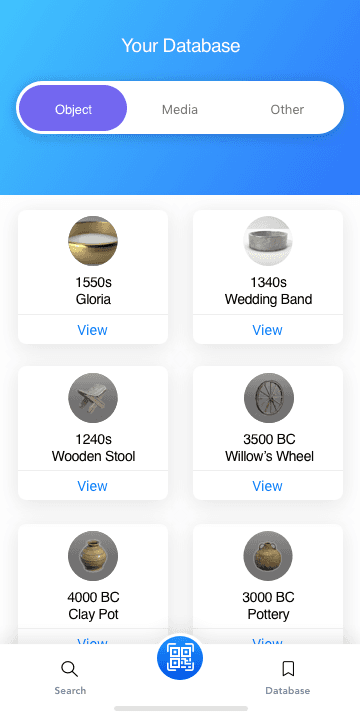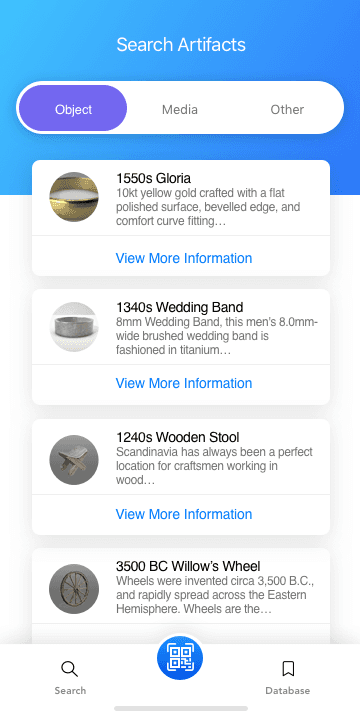
Researchers face challenges accessing physical archives due to time and financial constraints, making it difficult to interact with artifacts in person, despite the importance of physical visits. Digital archives are more accessible but lack the hands-on, tactile experience researchers need for deeper engagement with the artifacts.
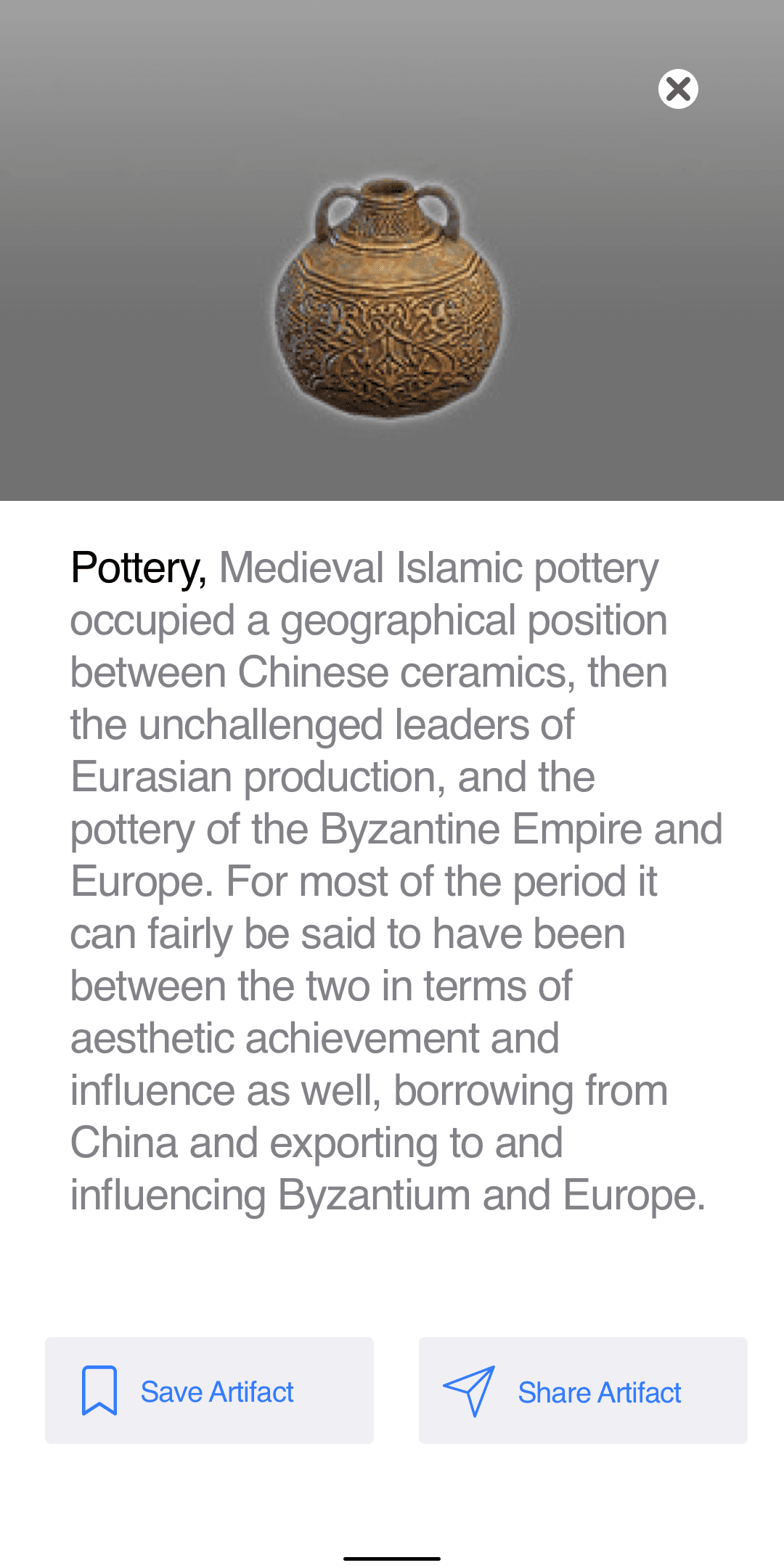
We created the app Tangible Augmented Reality Archives (TARA) to enhance the research experience. It uses augmented reality (AR) to offer a more interactive and accessible way for researchers to explore 3D versions of physical artifacts from collections like Farley Fonds.
The goal is to bridge the gap between digital and physical interactions with artifacts, especially in the pre-archival stage of research.
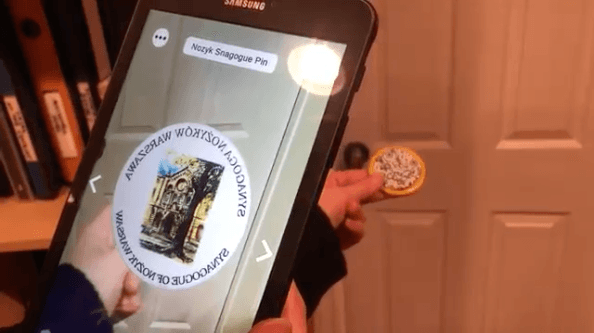
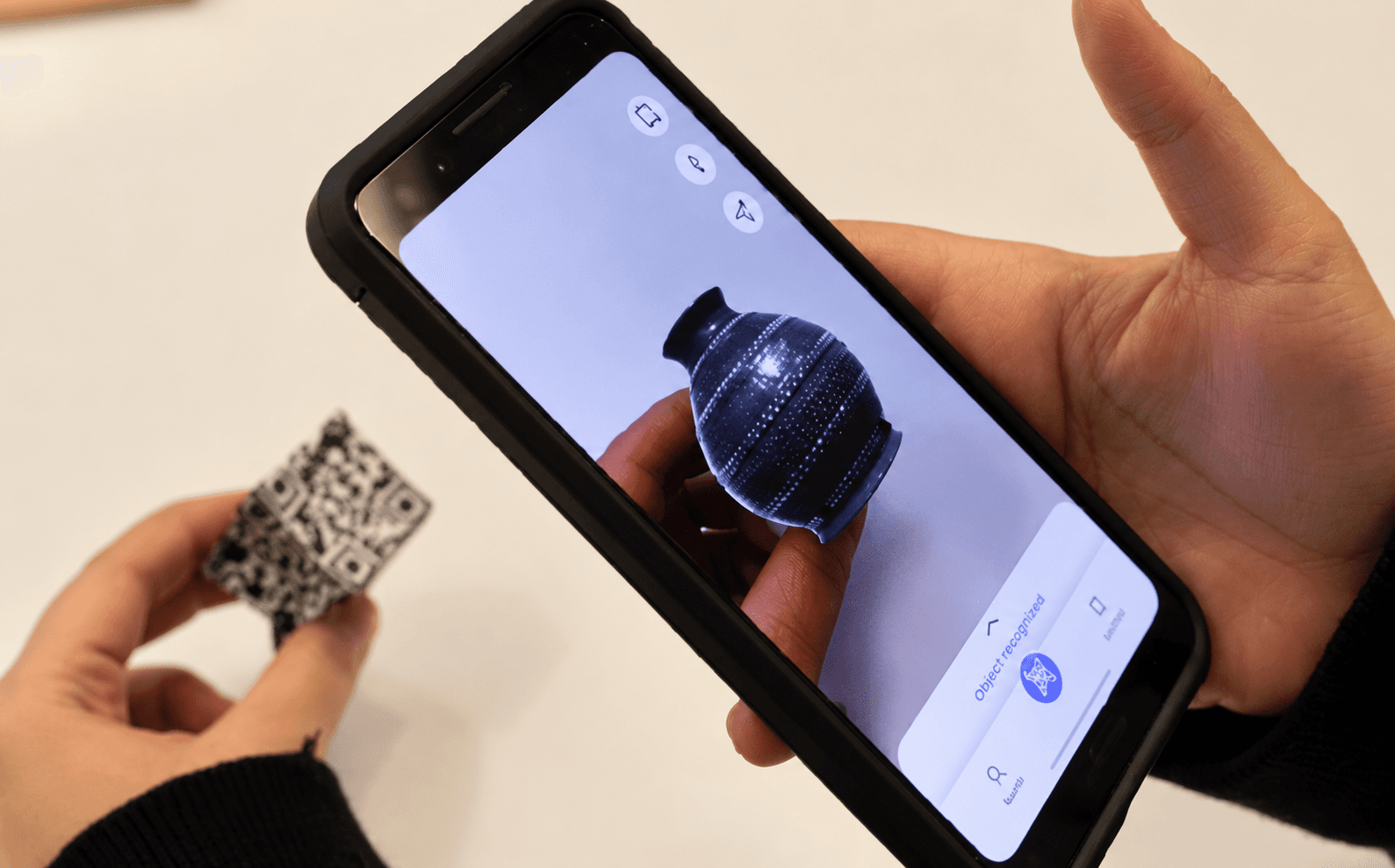
We developed TARA, an AR-powered app that allows researchers to interact with 3D representations of artifacts, such as those from the Farley Fonds collection, using a mobile device and a simple 3D paper cube.
The app enables tangible interactions, like rotating and inspecting artifacts from all angles, providing a more meaningful and immersive research experience without needing to visit the archive in person.
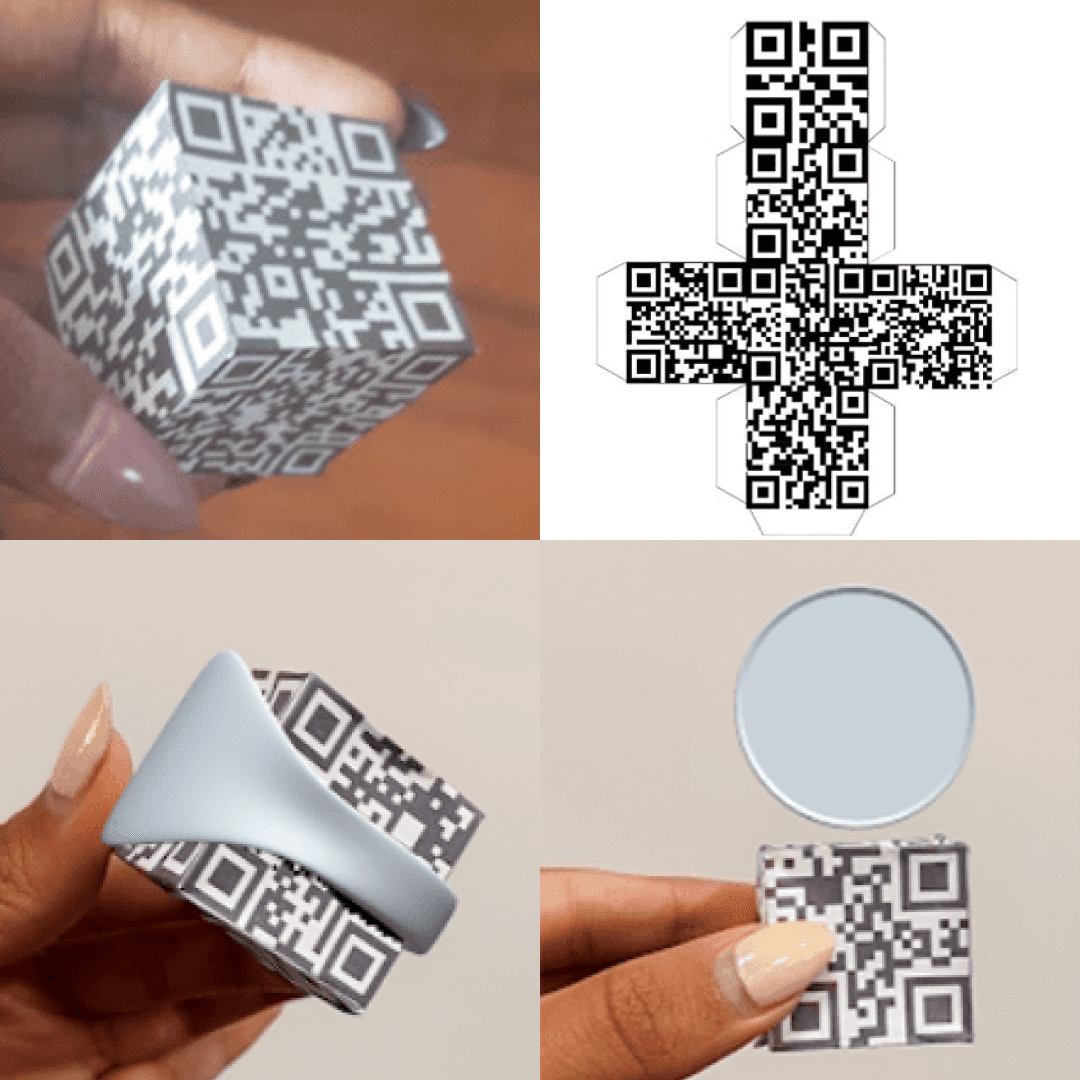
A cube’s shape best encompasses a diverse range of objects and can be effortlessly manipulated in AR due to its affordances.
The cube's tactile nature makes interactions intuitive, mirroring the hands-on experience of exploring artifacts in person.
We designed a printable cube that can be constructed at home. This allows for researchers to access these artifacts at their leisure
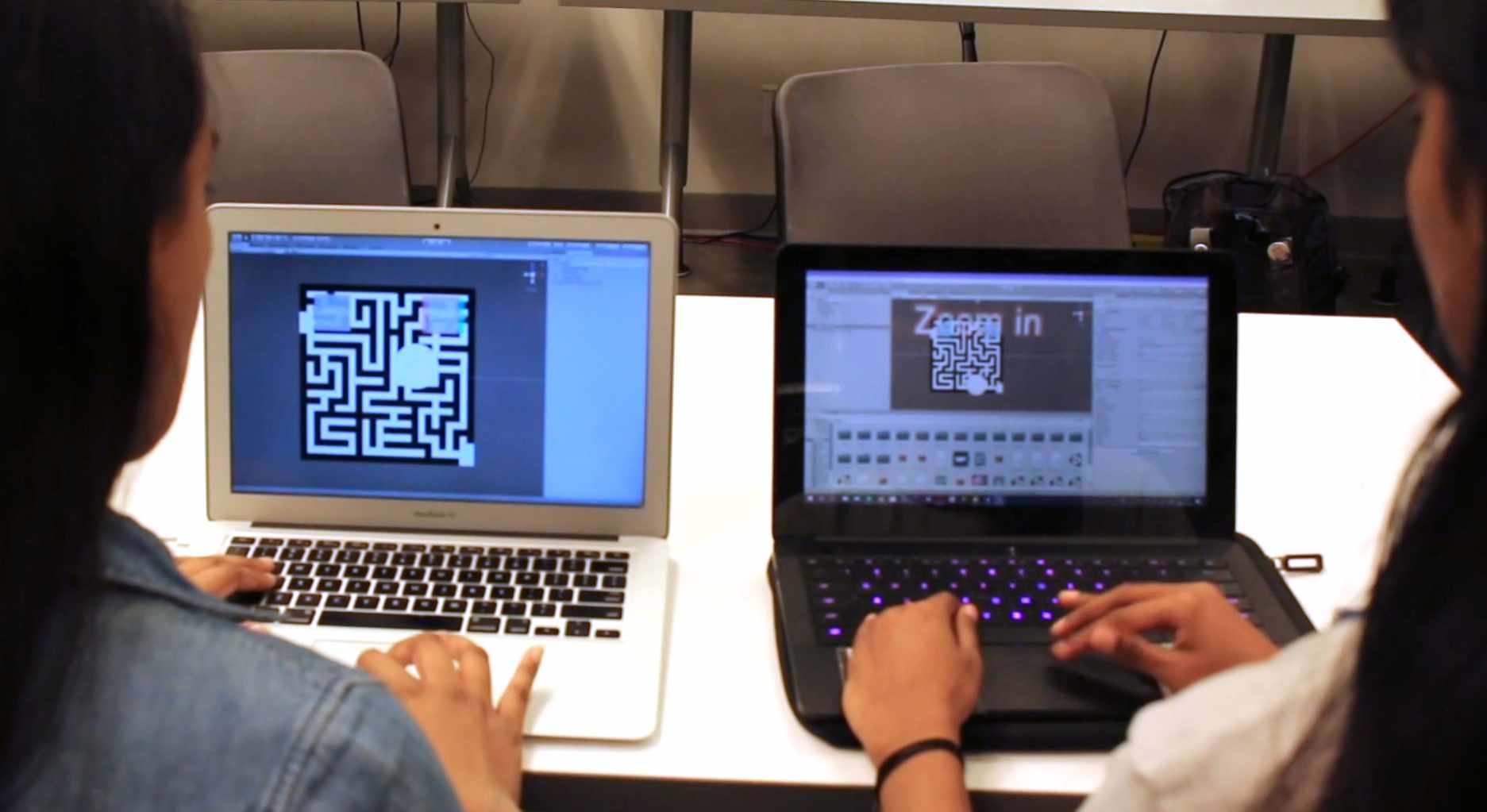
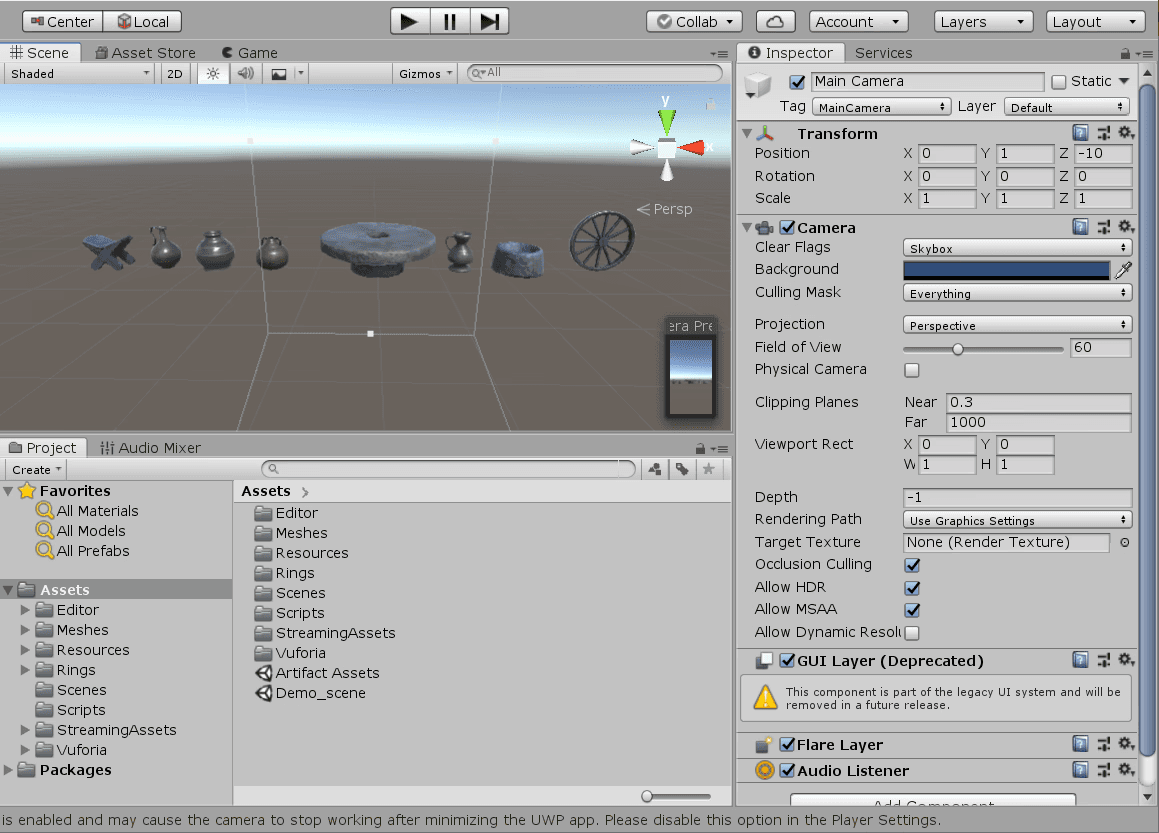
For testing purposes, we loaded pre-existing artifacts into Unity to assess the ease of using a cube and how to position artifacts within a 3D space.
We found that flat objects were best positioned above the cube, while thicker 3D objects could completely wrap around the cube for optimal viewing.
We explored 3D object interaction through physical manipulation in augmented reality (AR).
Using Unity, we downloaded a collection of 3D artifacts and tested tangible interactions like rotating objects to view them from all sides or inspecting them up close.
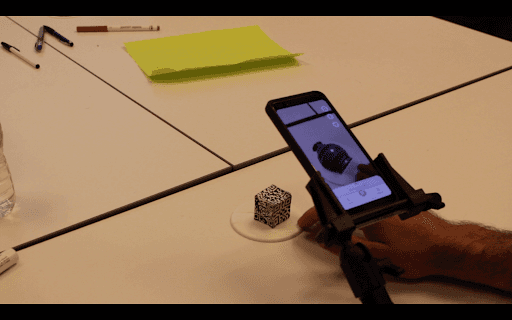
We used a mobile device and a simple paper target (a 3D paper cube) to make the experience accessible, avoiding the need for head-mounted displays.
By moving the cube in front of the phone’s camera, users can manipulate and view the 3D objects from different angles using AR technology.
TARA offered researchers a new way to interact with artifacts in a 3D space, enhancing their ability to study and engage with cultural heritage objects. The app successfully provided a more accessible and immersive experience, making the archival research process more efficient and interactive.
Final Invitations