Oakville lacked a centralized platform for residents and tourists to easily access local events, activities, parks, and trails, leading to scattered and inefficient information retrieval.
To design and develop an accessible, user-friendly website that consolidates Oakville’s community and tourism information into a single platform, fostering engagement among residents and enhancing municipal tourism efforts.
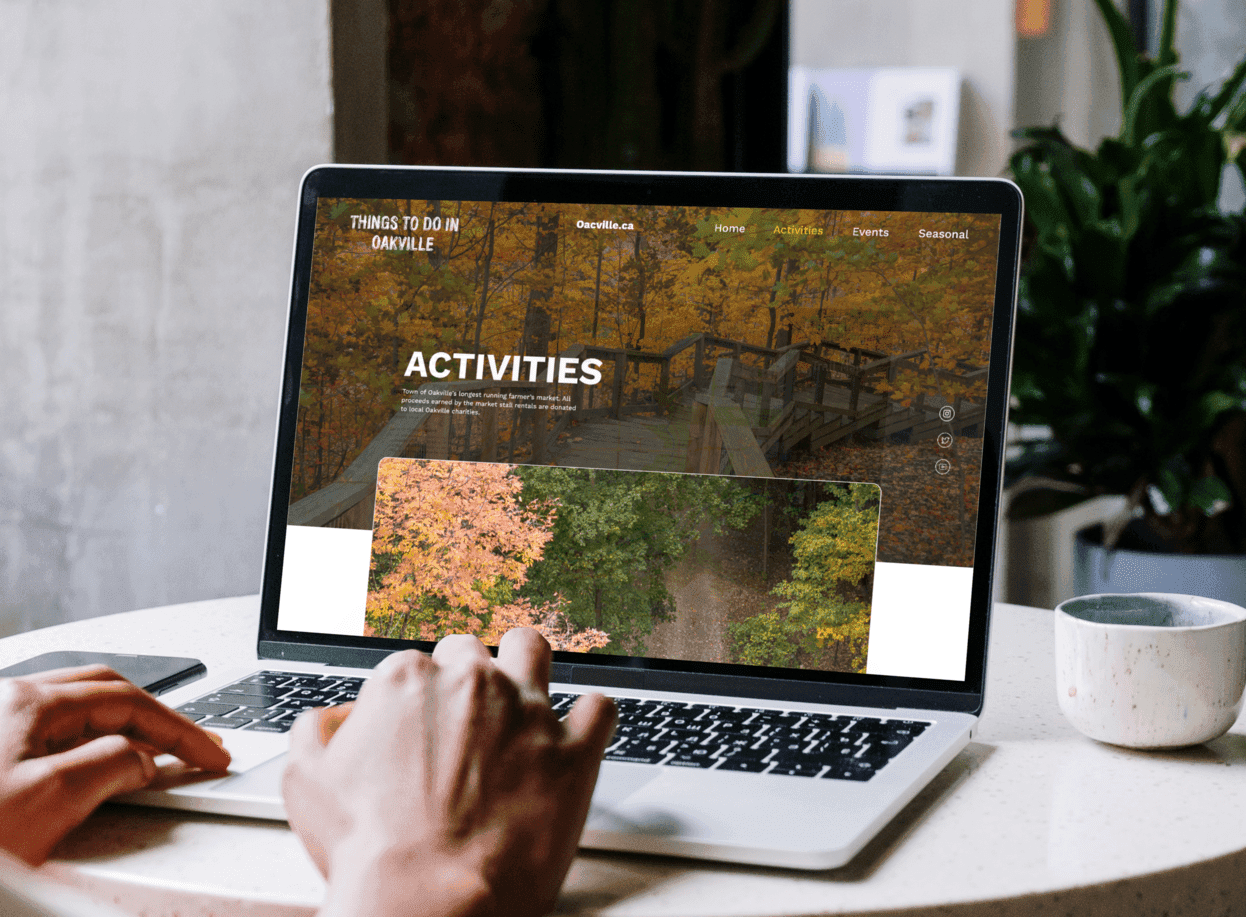
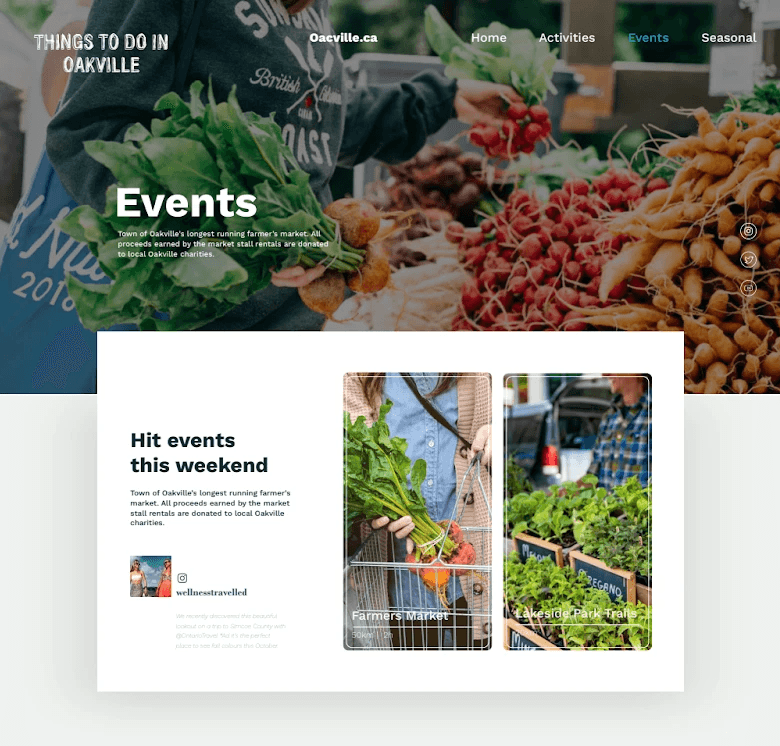
We created a centralized and user-friendly website that consolidates all tourism and community-related information into one accessible platform. By implementing an intuitive interface, structured content organization, and interactive features, we provided residents and visitors with an efficient way to explore Oakville.
The Oakville website serves people of all ages, of various linguistics backgrounds, and digital literacy levels. Visual design makes information more accessible, helping users quickly understand activities without relying on text.
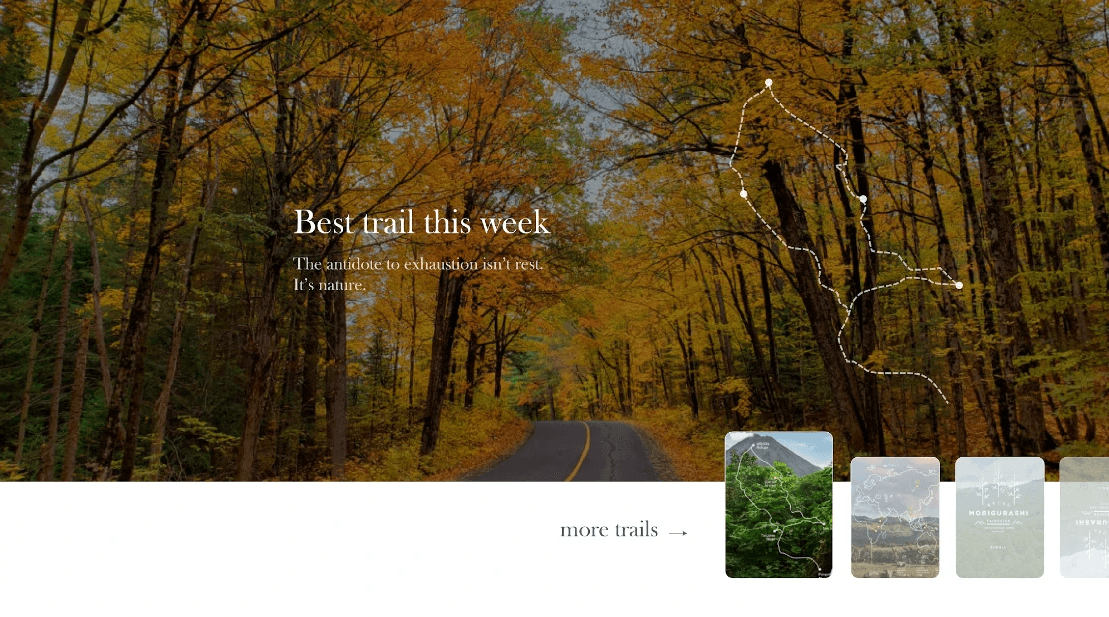
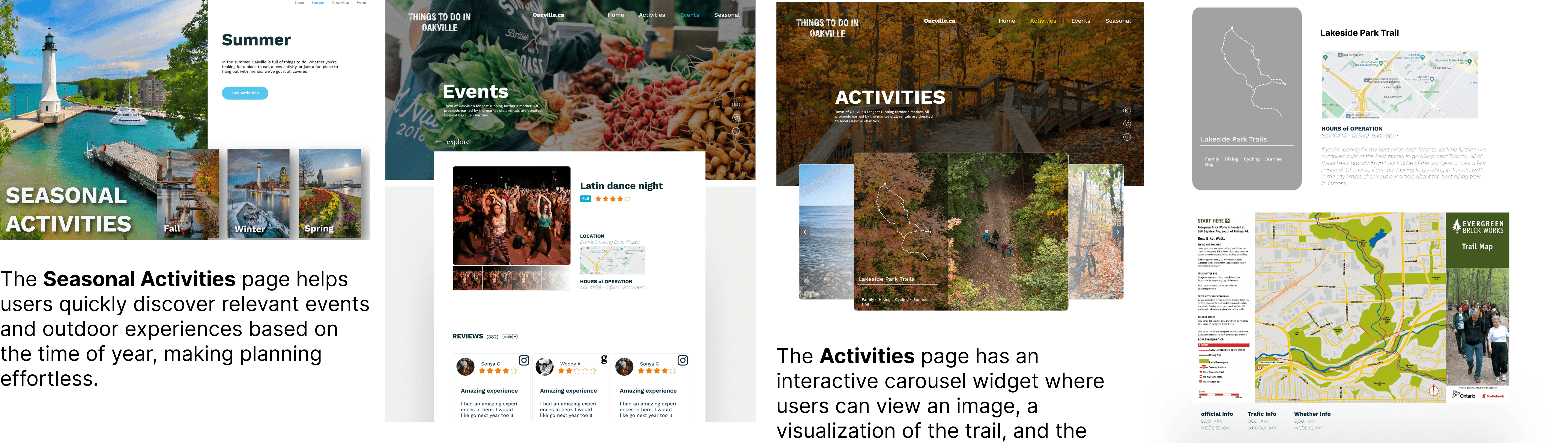
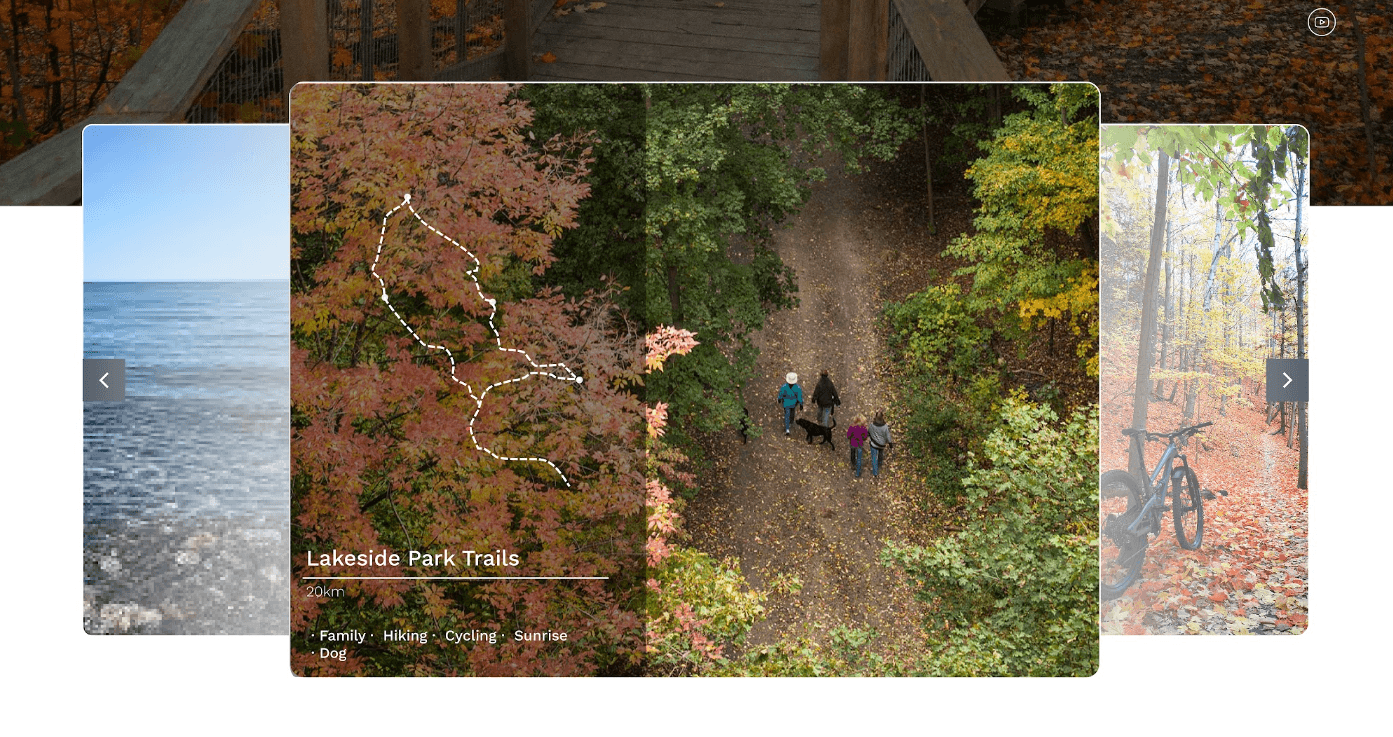
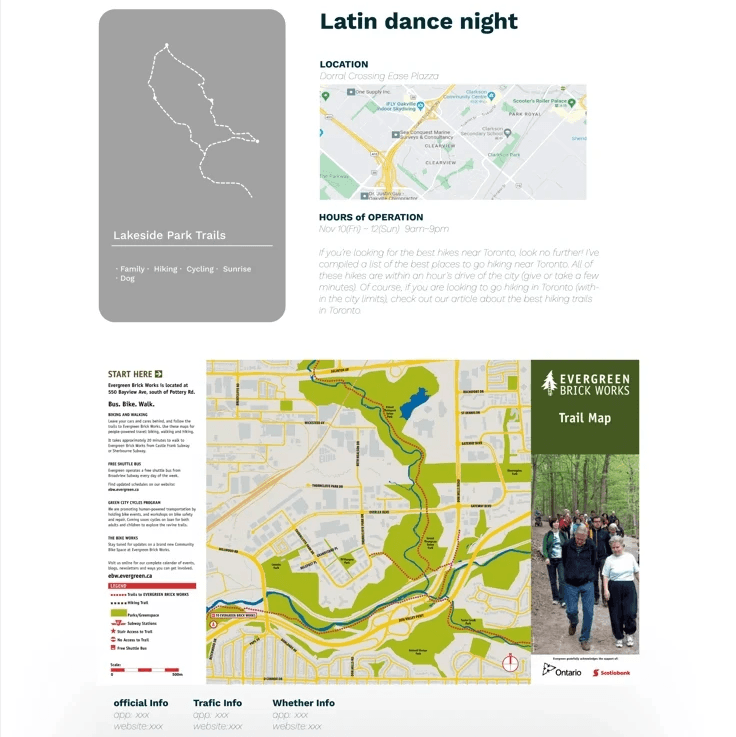
Maps and images improve wayfinding, making it easier to locate trails and parks. Seasonal pages with filtered visuals show relevant activities at a glance, helping users plan based on the time of year. This approach enhances navigation and encourages more exploration of Oakville’s outdoor spaces.
We used Adobe Illustrator to design and create wireframes. The website was built using HTML, CSS, and JavaScript, ensuring both basic functionality and responsive interactions across different devices.
We implemented AJAX to enable seamless image cycling without needing to refresh the entire page. On the back-end, we utilized PHP and PhpMyAdmin to manage the database, allowing administrators to easily add or remove content without directly interacting with the front-end interface.
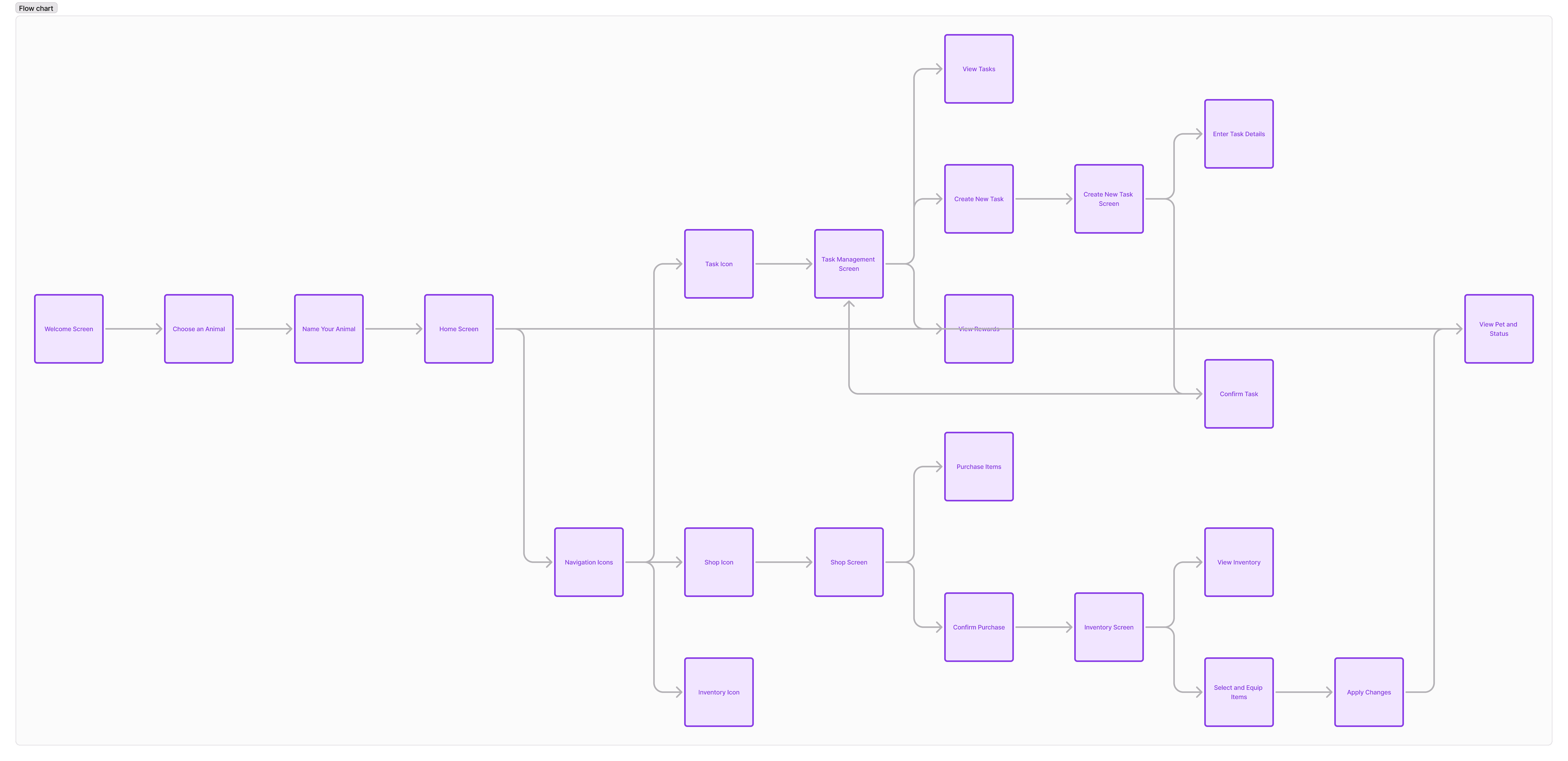
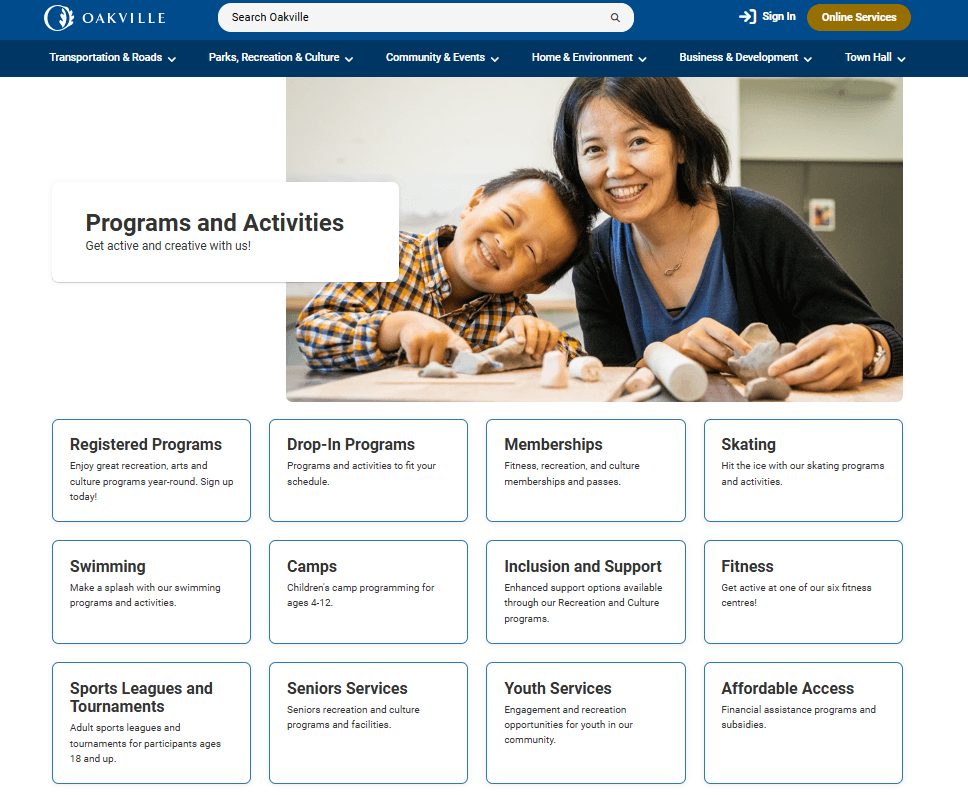
It was challenging to organizing the wide variety of events and activities in a way that was both accessible and intuitive for users that was more user friendly than the current Oakville website. The current Oakville website was hard to navigate and overwhelmed users with excessive information.. Additionally, the information was previously scattered across multiple platforms, and the challenge was to consolidate this data into a centralized, easy-to-navigate website.
The target audience included people from various age groups, backgrounds, and levels of tech-savviness. Designing a platform that was simple enough for older users while still engaging and visually appealing for younger users required careful consideration of design elements and user flow.
The Oakville Tourism Website successfully transforms scattered tourism and community information into a cohesive, user-friendly platform. By integrating intuitive navigation, structured content organization, and visually engaging design, we created an accessible digital experience that serves a diverse audience.
The platform enhances wayfinding with interactive maps and seasonal filters, encouraging both residents and tourists to explore Oakville’s outdoor spaces and events. Through a robust front-end and back-end implementation, administrators can efficiently manage content, ensuring the website remains dynamic and up-to-date.
This project not only improves accessibility to local activities but also strengthens community engagement and municipal tourism efforts.
Final Invitations